← Back to work

Selected Work · Org Design · Change Management

Architecting a unified workflow through organizational merger

I facilitate transitions, workshops, and operating model conversations that help teams reduce friction, clarify responsibilities, and keep delivery moving during change.
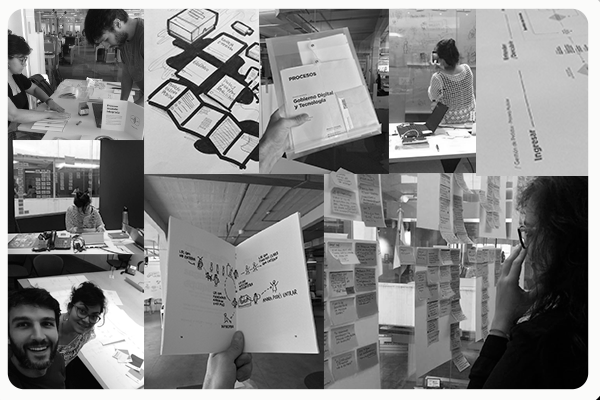
Process design project cover visual

Role

Bridging the gap between siloed departments

  • I facilitated the transition strategy, ensuring both teams felt integrated and valued rather than having a new process imposed on them top-down.
  • I mapped existing workflows to uncover hidden operational dependencies and prevent critical institutional knowledge from being lost.
  • I co-designed the shared operating model, establishing clear governance lines that clarified responsibilities and reduced day-one friction.

Approach

Moving from organizational friction to shared ownership

We structured a three-stage participatory redesign process to actively shift the teams from defensive siloes to collective operational execution:

  • 01. Internal Diagnostics — Conducted in-depth interviews with members of both areas to map out real daily challenges, legacy tools, and unwritten cultural norms.
  • 02. Co-Design Workshops — Facilitated collaborative sessions to completely rethink workflows, redistribute roles, and align tools under a unified team vision.
  • 03. Live Implementation Support — Guided the real-world deployment of the new structure, making fast, iterative adjustments based on active workspace feedback.

Outcome

A unified, resilient structure that kept public services running

Reduced friction

Identified and eliminated duplicative processes across departments, streamlining daily routines.

Strategic alignment

Defined clear governance, successfully moving from rigid "top-down" orders to distributed responsibility.

Knowledge retention

Systematized and documented previously isolated processes to ensure the merger didn't stop critical service delivery.

Who this is for

  • Public sector teams and government leaders facing complex structural change.
  • Operations, HR, or organizational design professionals seeking participatory transition processes.
  • Managers looking to merge distinct departments without losing key talent or operational momentum.
  • Consultants and facilitators focusing on cross-functional alignment and institutional redesign.

Key learning

Organizational transitions fail when models are imposed, but thrive when they are co-designed. Patience, operational consistency, and a shared strategic vision are what allow new habits to take root, turning a stressful structural merger into an opportunity for true cultural and operational cohesion.