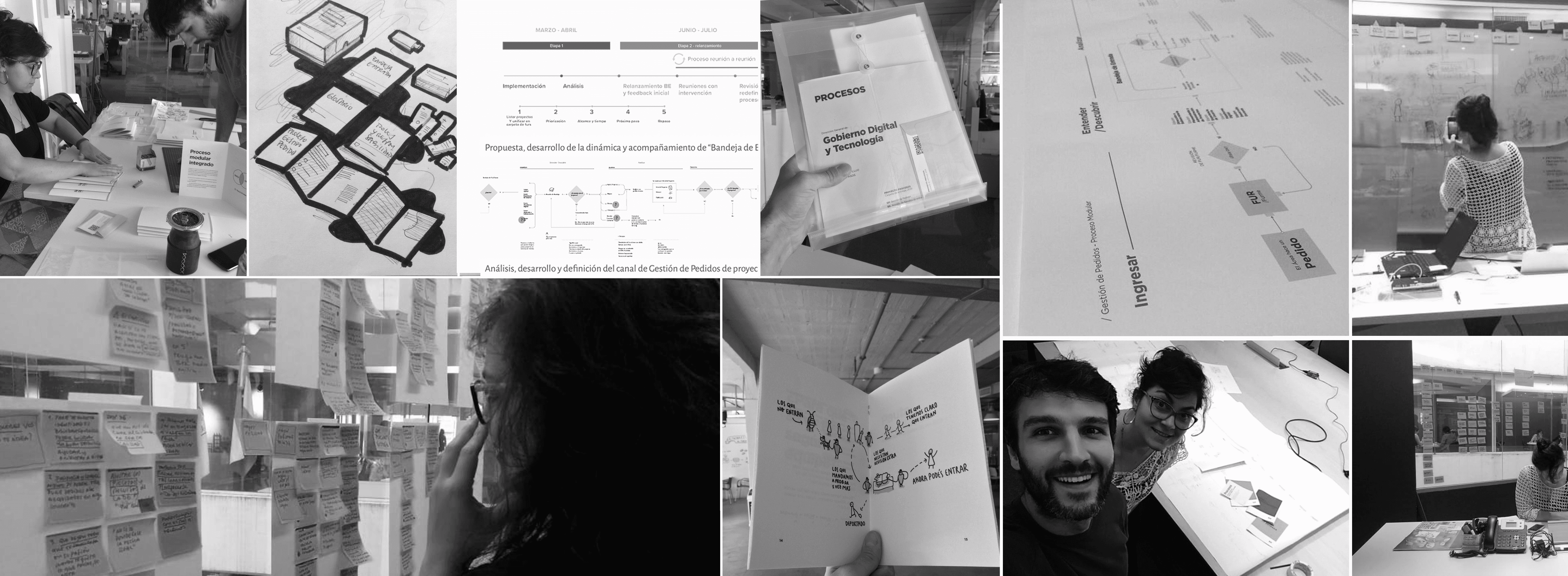
Mergers & Operations: Architecting a Unified Workflow
Home
The Challenge
Bridging the gap between siloed departments. Two distinct departments needed to merge into a single high-performing unit. The risk was high: potential knowledge loss, cultural friction, and operational paralysis.
My Role: I facilitated the transition strategy. Instead of imposing a new process, I mapped existing workflows and co-designed a shared operating model that clarified roles and reduced friction from day one.
Outcomes
Reduced Friction: Identified and eliminated duplicative processes across departments.
Strategic Alignment: Defined clear governance, moving from "top-down" orders to distributed responsibility.
Knowledge Retention: Systematized undocumented processes to ensure the merger didn't stop service delivery.
Our Approach
Conducted interviews with members of both areas
Facilitated sessions to rethink workflows, tools, roles, and responsibilities
Supported live implementation with iterative adjustments along the way
Key Learnings
Patience and consistency are essential for change to take root
A shared strategic vision brings cohesion during organizational transitions
Who This Is For
Leaders managing team or department mergers
HR, ops, or org design professionals seeking participatory change processes
Consultants and facilitators working on internal alignment and redesign
Want to align your team around a shared way of working? Let's talk.