Home
Social Impact & Mentorship: The "Design Seeds" Program
The Challenge
Connecting technical skills with social purpose. Technical students had the hard skills but lacked the frameworks to understand the social impact of their creations.
My Role: I designed the curriculum and impact measurement framework. My goal was to instill a "systemic mindset" in future professionals, teaching them to map the consequences of their technology on the community and environment.
Outcomes
80%
High Engagement: Achieved 80% student interest in continuing the "Theory of Change" model.
Actionable Toolkits: Delivered scalable impact models that schools could adopt autonomously.
Talent Pipeline: Mentored the next generation of designers to think ethically and systemically.
Our Approach
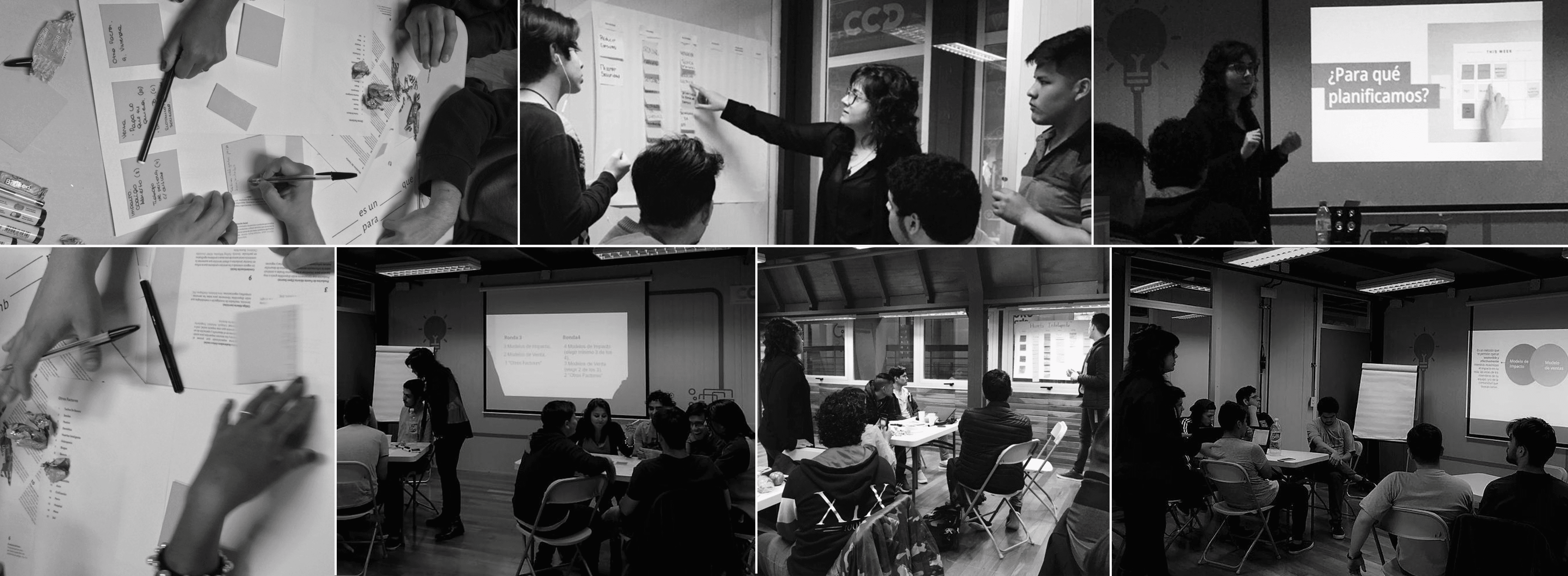
We designed and delivered two hands-on workshops focused on purpose-driven project development:
Workshop 1: Theory of Change
Students learned how to plan their projects starting from a deep sense of purpose—ensuring each step has meaning and direction.
Workshop 2: Impact Models
We introduced tools to help students consider the social and environmental impact of their ideas from the very beginning.
Each session combined theory, practice, and group reflection. Our goal was not only to teach, but to spark new questions and ways of thinking.
Key Learnings
There's a clear gap between technical knowledge and the ability to create real-world impact.
We introduced tools to help students consider the social and environmental impact of their ideas from the very beginning.
Who This Is For
Incubation and acceleration programs
Local governments
Companies seeking to develop talent with a systemic, impact-oriented mindset
Want to bring impact-driven tools into your program? Let's talk.